

Burrowing Parrot
Species
Cyanoliseus patagonus
Order
Psittaciformes
Family
Psittacidae
Conservation status
Least Concern (LC)
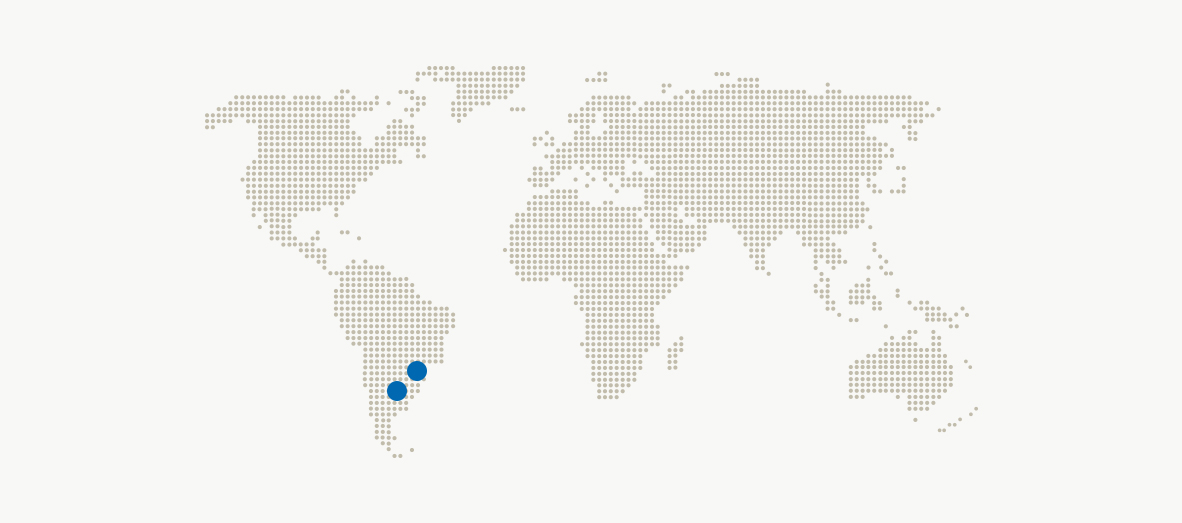
This parrot inhabits mainly Argentina and in isolated populations in central Chile. During winter, some populations migrate northward, reaching as far as southern Uruguay. Its common name comes from its habit of nesting in ravines and cliffs.
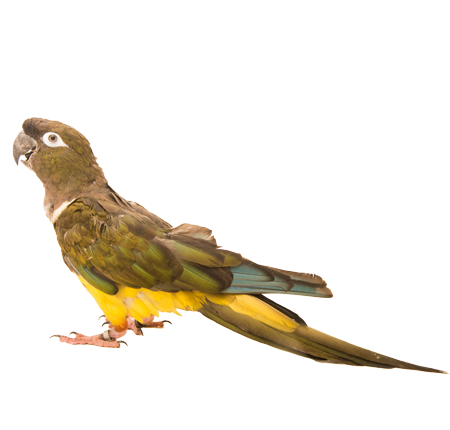
The burrowing parrot is the only member of the genus Cyanoliseus, making it monotypic.
There are four subspecies:
Cyanoliseus patagonus patagonus: Nominal, found in central and southern Argentina.
Cyanoliseus patagonus andinus: Inhabits northwestern Argentina.
Cyanoliseus patagonus conlara: Considered a hybrid zone between the two previous subspecies.
Cyanoliseus patagonus bloxami: Also considered a hybrid zone between the two previous subspecies.
The average length in the Argentine subspecies is 42 cm, while in the Chilean subspecies it is 45 cm, with a range of 43 to 47 cm.
Its head and back are dark olive green. It has a white eye-ring. The upper chest is whitish, while the lower chest is olive green. The abdomen, legs, back, and upper tail coverts range in color from yellow to olive green (depending on the subspecies). The central abdomen is reddish-orange. The tail is grayish olive, the beak is dark gray, short, and hooked, and the legs are pale pink.
In terms of longevity, they can live between 20 and 30 years in the wild.
Its diet includes seeds, fruits, berries, and plant matter. It feeds both on the ground and in trees and shrubs, usually in groups.
It is very localized in Chile but more common in Argentina. For habitat, it prefers open and semi-arid areas, such as Patagonian steppes, wooded savannas, and scrublands, especially near watercourses and up to 2,000 m in altitude. They can also inhabit farmlands and the edges of urban areas, such as Buenos Aires, where populations of this species are made up of released former pets.
The burrowing parrot is best known for its nesting habits: it digs elaborate burrows in limestone or sandstone cliffs, often in ravines. These burrows can be up to 3 meters deep in the cliff face, sometimes connecting with other tunnels to create a labyrinth, ending in a nesting chamber. Breeding pairs will reuse burrows from previous years, but they may enlarge them.
Burrowing parrots are monogamous. The breeding season begins in September, and eggs are laid until December, with two to five eggs per clutch. The incubation period lasts 24 to 25 days, with the female as the sole incubator while the male provides food.
The colony of burrowing parrots at Balneario El Cóndor, in Río Negro, Argentina, is the largest known colony for any parrot species, with over 35,000 active nests.
In the absence of suitable cliffs or ravines to use as nesting sites, burrowing parrots will make use of anthropogenic substrates such as quarries, pits, and wells. On rare occasions, they have also been known to nest in tree cavities.
The species is classified as Least Concern (LC), although it is threatened by the illegal pet trade, habitat destruction, as well as by climate change and pollution.