Threatened (Vulnerable)

Flamenco
Species
Phoenicopterus
Order
Phoenicopteriformes
Family
Phoenicopteridae
Conservation status
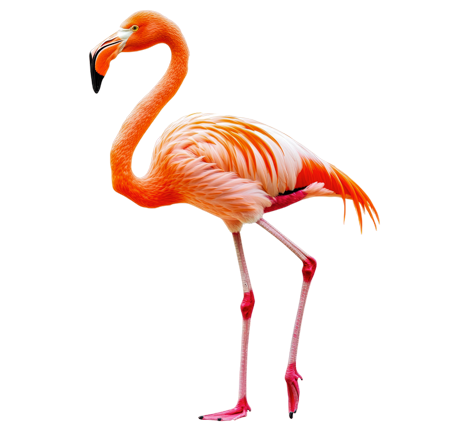
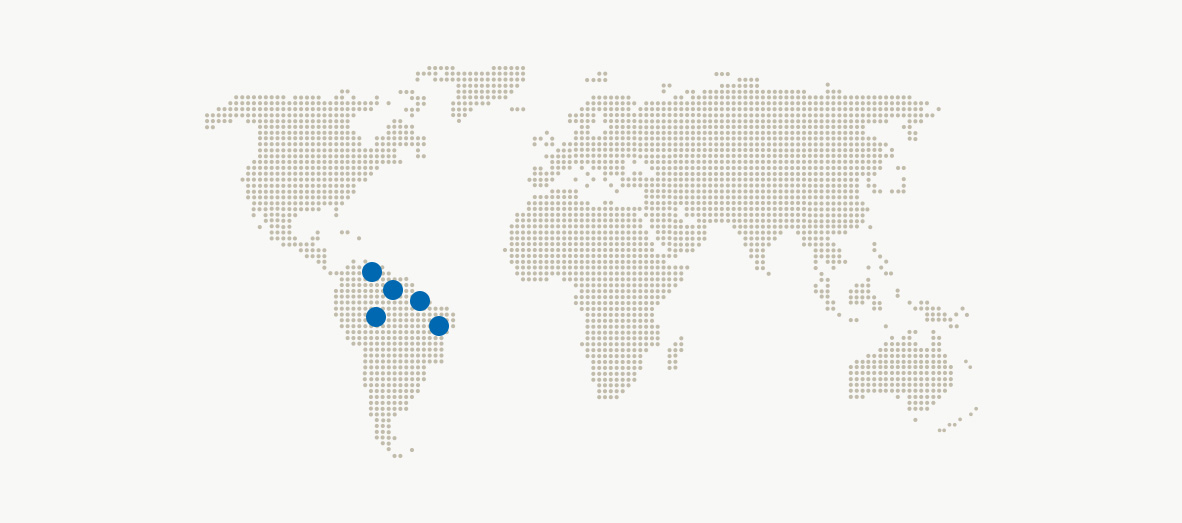
At Mundomar, there is a large colony of flamingos of the species Phoenicopterus ruber, commonly known as Caribbean Flamingos. This bird belongs to the flamingo family (Phoenicopteridae) and inhabits tropical areas of the Americas, including the Antilles, the Yucatán Peninsula, northern Colombia and Venezuela, and the Galápagos Islands.
Characteristics
Behavior, Diet, and Habitat
Interesting Facts
Characteristics
They can be found in shallow lakes and coastal waters. They are specialized in feeding in lakes with high saline or alkaline concentrations. They obtain their food from the muddy sediment at the bottom. These waters provide enough nourishment to sustain large numbers of these birds, which feed on insects, shrimp, and small plants, as well as diatoms and other algae.
Behavior, Diet, and Habitat
The female lays a single egg between May and August, chalky white in color. Both the female and the male incubate the egg for a period of 28 to 32 days until it hatches; both parents also care for the chick until it reaches sexual maturity, which can take up to 6 years. Chicks are born with reddish plumage like the adults, but within a few days this plumage turns grayish. The expected lifespan of a flamingo is 40 years, one of the longest among birds.
Interesting Facts
The Caribbean flamingo wades through shallow waters, lowering its long neck and feeding with its bill held upside down over the water. Inside the bill, various small animals are trapped between fine plates (lamellae), arranged like the teeth of a comb, through which the water passes. Suitable lakes are scarce and far apart, so these birds must travel long distances from one feeding site to another, often in large flocks.