

Giant Tortoise
Species
Geochelone gigantea
Order
Testudines
Family
Testudinidae
Endangered
Threatened (vulnerable)
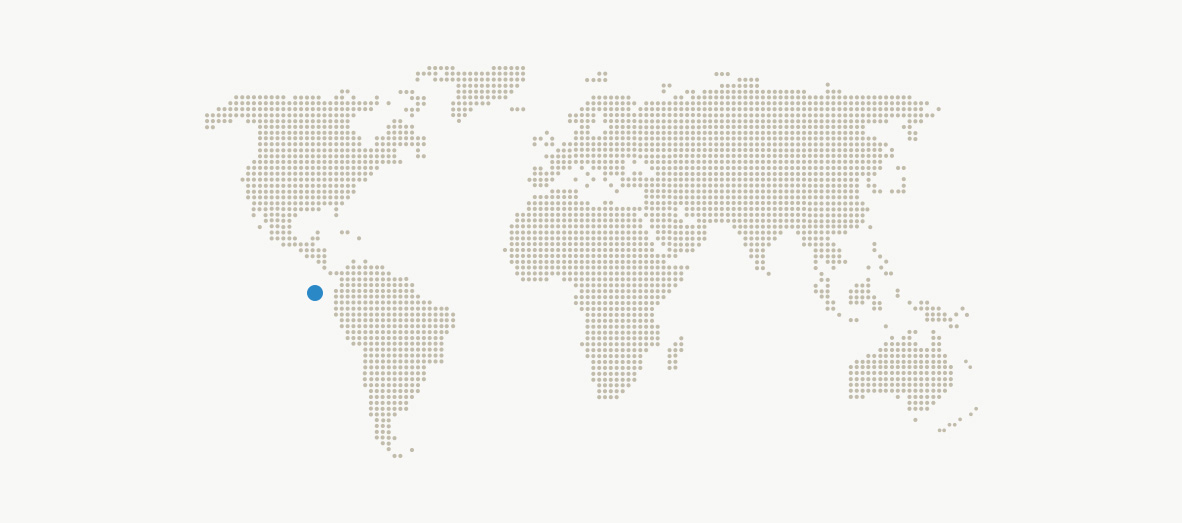
The Aldabra Giant Tortoise (Geochelone gigantea) is a tortoise of the Testudinidae family that only inhabits its namesake atoll, Aldabra in the Seychelles archipelago. It has also been introduced by humans to the island of Unguja in the Zanzibar Archipelago, Tanzania.
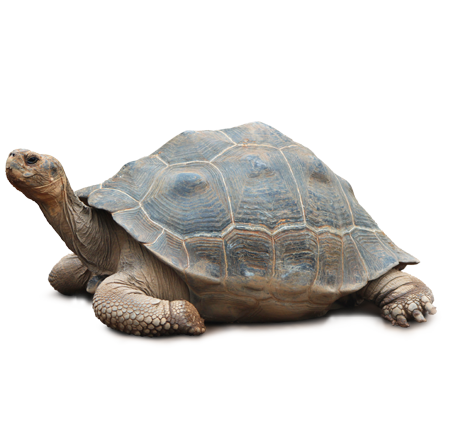
After the Galapagos giant tortoise, it is the largest tortoise in the world and can exceed one metre in length. Males can weigh up to 250 kg, while females weigh around 150 kg. As with other turtles, they can live for more than 100 years. The dome-shaped carapace is dark grey or black. The limbs are very robust, an essential element to support the tremendous weight of the animal. The neck is disproportionately long, even for such a large animal, which is useful for reaching low tree branches, some located up to almost a metre above the ground. These tortoises also have thick, scaly skin that provides additional protection from predators and weather.
The shell of these turtles, in addition to being a protective barrier, is designed to withstand stresses and shocks that could prove fatal to other animals. This shell is composed of more than 50 bones, including fused ribs and vertebrae. The domed shape of the shell not only provides protection, but also helps maintain proper body temperature by creating an internal microclimate that retains heat.
The thick, scaly skin of giant tortoises is composed of keratin, the same substance that forms human nails and hair, giving them extra protection against wounds and abrasions. Their forelegs, equipped with strong, curved claws, not only allow them to dig and move over difficult terrain, but are also essential for digging nests during the mating season.
In addition, giant tortoises have large, efficient lungs that allow them to breathe easily despite their enormous size. These lungs are located at the top of the carapace, which makes it easy to breathe in and out when the tortoise extends or retracts its neck.
It is a herbivorous turtle and feeds on grass, leaves and woody stems, although it can occasionally supplement its diet with invertebrates or carrion. At Mundomar they also receive fruits such as apples and bananas. Despite the availability of fresh water in their territories, they usually obtain it from the food they eat. Moreover, they do not fear the presence of humans, they are completely indifferent to them and can eat from their hands. These turtles inhabit tropical and subtropical islands, preferring areas with abundant vegetation and access to food sources. Their habitat includes grasslands, dry forests and coastal areas. Their ability to store water and fat allows them to survive in difficult conditions, especially during dry seasons.
In their natural habitat, giant tortoises play a crucial role in the ecosystem as seed dispersers. As they feed, they ingest seeds which they then excrete in different areas, helping vegetation to regenerate. This behaviour not only benefits plants, but also contributes to maintaining a healthy habitat for other species.
Giant tortoises are diurnal animals and spend most of the day foraging and searching for food. During the hottest hours, they seek shade to avoid overheating. Their burrows, which they dig with their powerful legs, not only provide shelter from the heat, but also protection from predators and a safe place to lay their eggs.
Although primarily herbivorous, these tortoises show remarkable flexibility in their diet, consuming a variety of succulents and cacti during the dry season when other food sources are scarce. This ability to adapt their diet is key to their survival in changing environments.
Sexual maturity is determined by size, not age; hence it is considered sexually mature when it reaches half its final size. Mating occurs between February and May. The female lays between 10 and 25 eggs. There is a high rate of infertility of the eggs, about 60% are not fertilised. Incubation lasts 8 months and hatching takes place between October and November. Hatchlings are vulnerable to predators, but those that survive can live for several decades, contributing to the longevity of the species. In addition, these turtles have an impressive capacity for orientation and memory, allowing them to remember the location of water and food sources over long distances and many years.
During mating season, males can be very competitive and engage in ritualistic fights where they push and hit each other with their shells to win the right to mate with females. These fights can last for several hours and demonstrate the incredible endurance and strength of these animals.
Giant tortoise hatchlings, although small and vulnerable at birth, possess an innate instinct to seek shelter and food. During their first years of life, they must evade numerous predators, including birds of prey, crabs and other land animals. They grow slowly, reaching sexual maturity after several decades, which contributes to their long life expectancy.
These turtles are also known for their ability to enter a dormant state during extreme environmental conditions. During periods of drought or extreme cold, they may reduce their metabolism and remain in an inactive state, using their fat and water reserves to survive until conditions improve.
The longevity of giant tortoises has been the subject of numerous scientific studies, as their ability to live more than a century provides valuable insights into ageing processes and resistance to disease. In captivity, with proper care, some giant tortoises have lived up to 150 years, making them one of the longest-living land animals on the planet.
Their memory and orientation skills not only help them find essential resources, but also allow them to return to their traditional nesting sites, ensuring the continuity of the species in their natural habitats. These advanced cognitive abilities are testament to the complexity and adaptability of these fascinating reptiles.
