

Marine pollution: causes, consequences and solutions to protect the ocean

 Published in
 News
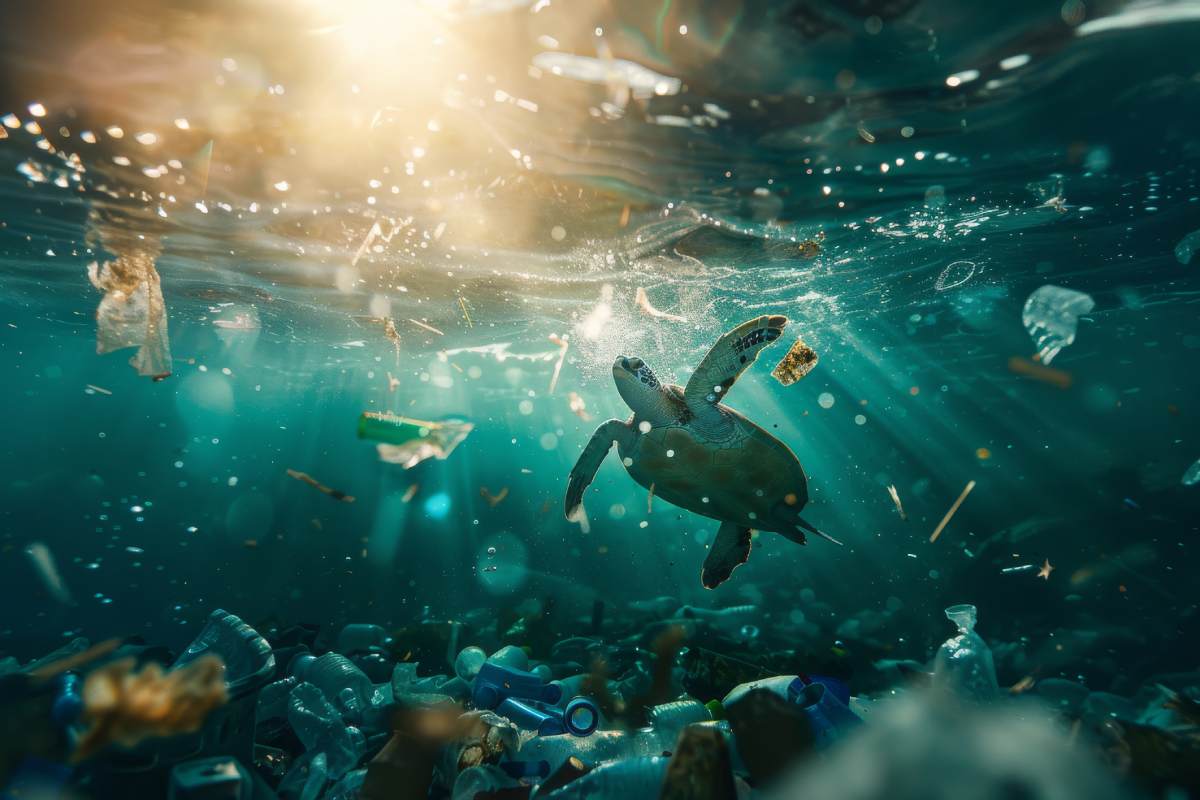
What is marine pollution?
Marine pollution occurs when waste, chemicals or other harmful materials reach seas and oceans and disrupt the natural balance of these ecosystems. Over time, these pollutants build up in the water and on the seabed, affecting both the environment and the species that live in it.
The most common pollutants include plastics, microplastics, industrial discharges, oil spills and debris from fishing activities. Many of these materials take years to break down, so they remain in the ocean for a long time.
Although many people think that marine pollution only happens at sea, a large part of it originates on land. Poorly managed waste, wastewater or chemicals can end up reaching rivers and coasts and finally the ocean, endangering marine animals and their ecosystems.
Main causes of marine pollution
Marine pollution can have many sources, but in most cases it is linked to human activities. From waste that reaches the sea from land to accidental spills or debris from maritime activities, these pollutants end up affecting marine ecosystems and the species that live in them. Below, we look at some of the most common causes.
Plastics and microplastics
Plastics are one of the most abundant types of waste in the oceans. Bags, bottles, packaging or straws can end up in the sea if they are not managed properly. Over time, these materials break down into very small pieces called microplastics, which can be swallowed by fish, birds and other marine animals.
Chemical and industrial discharges
Some industries and urban activities generate chemical waste which, if not properly treated, can end up reaching the sea through rivers or drainage systems. Toxic substances, heavy metals or wastewater can pollute the water and seriously affect marine ecosystems.
Oil spills
Oil spills are usually caused by accidents during shipping or on oil platforms. When a spill of this kind occurs, the oil spreads across the surface of the sea, harming marine wildlife, coastlines and natural habitats.
Fishing waste
Fishing activities can also cause pollution when nets, ropes or other materials are lost or abandoned at sea. This waste, known as “ghost nets”, can remain in the ocean for years and trap fish, turtles or marine mammals.
What are the consequences and how does pollution affect marine animals?
Marine pollution does not only affect the water or coastal landscapes; it also has a direct impact on the animals that live in the ocean. Much of the waste that reaches the sea ends up harming different species, either because they mistake it for food, because they become trapped in it or because it alters the ecosystems they live in.
Ingestion of plastics
Many marine animals, such as turtles, fish, birds or cetaceans, can mistake plastics for food. When swallowed, this waste can cause digestive problems, malnutrition or even death. In addition, microplastics can build up in animals’ bodies and affect their health in the long term.
Animals trapped in waste
Abandoned fishing nets, ropes, bags or plastic rings can trap different marine species. When this happens, animals can suffer injuries, have difficulty swimming or even become completely immobilised, which reduces their chances of survival.
Disruption of ecosystems
Marine pollution can also disrupt the ecosystems where many species live. Waste, chemicals or oil can damage habitats such as coral reefs, seagrass meadows or the ocean floor. When these environments deteriorate, many animals lose their shelter, breeding grounds or food sources.
Impact on the food chain
Pollutants in the ocean, especially microplastics and some chemicals, can pass from one organism to another through the food chain. This means that smaller animals ingest them first and, later, the predators that feed on them also accumulate them, affecting the balance of the entire marine ecosystem.
What we can do to reduce marine pollution
Although marine pollution is a global problem, individual actions can also make a difference. Adopting more responsible habits in our daily lives helps reduce the amount of waste that ends up in the ocean and helps protect marine ecosystems and the species that live in them.
Reduce the use of plastics
One of the most effective ways to reduce marine pollution is to cut down on single-use plastics. Using reusable bottles, cloth bags or recyclable packaging helps prevent a lot of waste from ending up in rivers and seas. Small changes in our habits can have a positive long-term impact.
Recycle properly
Separating waste and putting it in the right bins is essential so that it can be recycled and does not end up in the natural environment. Proper waste management reduces the amount of rubbish that reaches the oceans and encourages a more responsible use of resources.
Take part in beach clean-up initiatives
More and more organisations and groups are promoting clean-up days on beaches, rivers and seabeds. These actions not only help remove waste from the natural environment, but also help raise awareness of the importance of caring for the oceans.
In this regard, the Fundación Mundomar carries out various actions and projects aimed at marine conservation and environmental awareness. Through educational activities, collaborations with universities and specialised centres, and clean-up days in different natural areas, the foundation works actively to promote respect for and protection of the ocean.
In addition, the Fundación Mundomar regularly takes part in waste collection initiatives on beaches and coastal areas, in which volunteers, associations and local organisations work together with a common goal: removing rubbish from the natural environment and helping to protect marine ecosystems.
Beyond the clean-up itself, these actions also help raise the profile of the marine pollution problem and involve society in solving it. Initiatives like these show that, with everyone’s collaboration, it is possible to move towards a cleaner, healthier ocean full of life.
The comments are closed.