

Types of ecosystems: discover how nature works

 Published in
 News
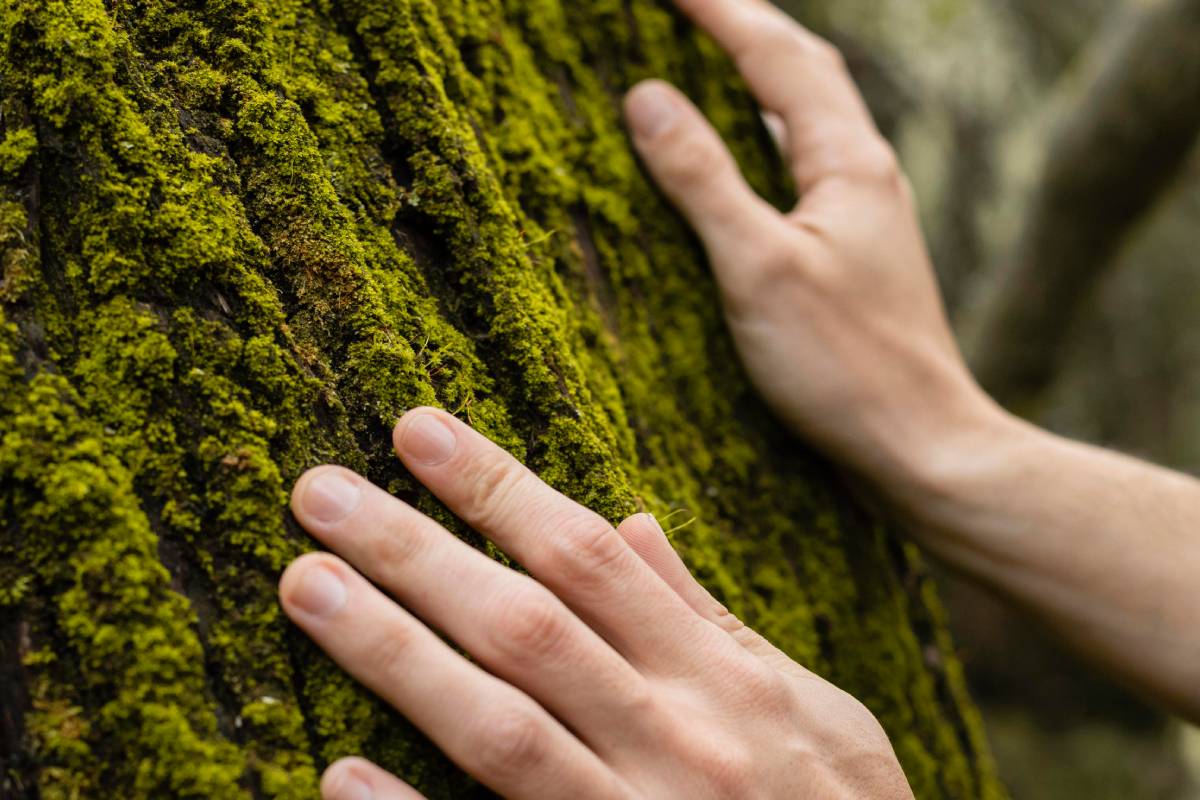
Ecosystems are the great stages where life happens. In them, animals, plants, water, climate and soil interact with each other to maintain the balance of nature. From a forest to the bottom of the sea, every natural space works like a network in which all living beings play an important role.
Learning about the different types of ecosystems helps us better understand how species live, why each habitat is unique and what we can do to protect the biodiversity around us.
What an ecosystem is and why it is so important
An ecosystem is the set formed by the living beings in a place and the physical environment that surrounds them. Animals, plants, microorganisms, water, air, soil, light and temperature coexist in it, creating a network of relationships that allows life to develop.
It is not just a natural space, but a system in which each element influences the others. Species find food, shelter and suitable conditions to live, while the environment changes and is sustained thanks to the activity of the living beings themselves.
That is why, when we talk about ecosystems, we are also talking about balance. If one part changes, the rest can be affected. Understanding how these spaces work helps us look at nature differently and better understand the relationship between animals, their habitat and the biodiversity around them.
Main types of ecosystems
Nature is organised into very different spaces. Life in a rainforest is not the same as the life we find in an ocean, a river or an area where land and water meet. Each environment has its own conditions and, for this reason, the species that live there have developed different ways of adapting.
To better understand how life works on the planet, ecosystems are usually grouped into several types according to the environment in which they develop. Below, we will discover the main types of ecosystems and their characteristics.
Terrestrial ecosystems
Terrestrial ecosystems are those that develop on the Earth’s surface, in spaces such as forests, rainforests, deserts, grasslands or mountains. In them, life depends on factors such as climate, soil type, temperature, sunlight and water availability.
Their main characteristic is that species are adapted to the conditions of the place where they live. That is why we do not find the same vegetation or the same animals in a humid forest as in a desert or a mountain area. Each terrestrial ecosystem has its own balance and forms of life adapted to it.
Aquatic ecosystems
In aquatic environments, water is the main medium in which life develops. Rivers, lakes, wetlands, seas and oceans are part of this type of ecosystem, in which animals, plants and other organisms depend directly on water conditions to survive.
Light, depth, temperature, currents and salinity influence which species can live in each area. As a result, aquatic ecosystems can be very different from one another and are mainly divided into two large groups: freshwater and marine ecosystems.
Freshwater ecosystems
In fresh water, life develops in spaces such as rivers, lakes, lagoons, streams and wetlands. Unlike seas and oceans, these ecosystems have a low concentration of salts, which allows the presence of species adapted to this type of environment. Their waters and banks provide shelter, food and breeding grounds for many species. Here we can find aquatic plants, fish, amphibians, insects and birds that depend on these spaces to complete their life cycle.
Marine ecosystems
Seas and oceans are home to some of the largest and most diverse ecosystems on the planet. As they are made up of salt water, they create an environment very different from that of rivers or lakes, with species adapted to living both near the surface and in deeper areas. They are inhabited by microscopic organisms, algae, corals, fish, jellyfish, turtles, seabirds and mammals such as dolphins or sea lions. Coasts, reefs, seagrass meadows and ocean floors are also part of these ecosystems, spaces where marine life finds food, shelter and the conditions to thrive.
Mixed or transitional ecosystems
Mixed ecosystems are areas where the land and aquatic environments meet. In them, life develops between land and water, as happens in mangroves, salt marshes, estuaries or coastal wetlands. By combining characteristics of both environments, they are home to very different species. Birds, fish, amphibians, crustaceans and small marine animals use these spaces as shelter, feeding grounds or breeding sites. That is why they are especially rich and dynamic ecosystems.
Why caring for ecosystems also means caring for animals
Animals do not live separately from the environment around them. They need a habitat with food, shelter, water, space and suitable conditions to develop. That is why, when an ecosystem is kept in good condition, the lives of the species that are part of it are also protected.
Every change in the environment can directly affect animals. If vegetation disappears, water becomes polluted or temperature changes, many species lose essential resources to feed, reproduce or move normally. Caring for an ecosystem means protecting the whole home of the species: not only the place where they live, but also the relationships that make their survival possible.
What threatens the balance of ecosystems
The balance of an ecosystem can be broken when natural conditions change too quickly or when elements appear that damage the environment. These changes affect water, soil, air and, above all, the species that depend on that habitat to live. Some threats are especially visible in rivers, seas, coasts and natural spaces where human activity leaves a direct footprint.
Pollution and plastics in seas and rivers
Waste that reaches rivers and seas, such as bags, bottles, packaging, nets or small fragments of plastic, can remain in the environment for years and alter water quality. This pollution directly affects wildlife, as many animals can mistake plastics for food, get injured or become trapped in them. In addition, over time these materials break down into smaller particles that can enter the food chain and upset the life of the ecosystem.
Climate change and its effects on biodiversity
Climate change transforms habitats by altering temperature, rainfall, sea level or water conditions. These changes can affect the food available, breeding grounds and the movements of many species. In marine ecosystems, warming waters particularly affect corals, fish, turtles and other animals that depend on a very specific balance to survive.
How we can help protect nature
Caring for nature does not depend only on big actions. It also starts with small everyday habits, in the way we use resources, treat animals and interact with natural spaces. Protecting ecosystems means acting responsibly so that life can continue to develop in balance.
Reduce waste and look after water
Small changes in our habits can have a direct impact on the health of ecosystems. Reducing the use of plastics, reusing materials, recycling properly and avoiding littering on beaches, rivers or natural spaces helps reduce the pollution that affects many species.
Water also needs to be used responsibly. Saving it at home, not pouring polluting products down the drain and respecting aquatic environments help keep rivers, seas and wetlands in better condition for animal and plant life.
Respect animals and their spaces
Natural spaces are home to many species, so we must move through them with respect. Not touching animals, not feeding them, not getting too close and not altering their environment are basic gestures to avoid disturbing their behaviour. Looking after beaches, forests, rivers and coasts also helps keep safe the places where wildlife finds food, shelter and peace.
Learn about biodiversity to protect it better
Learning about biodiversity is a way of learning to value nature and understand why each species plays a role in the balance of ecosystems. Environmental education helps raise this awareness, especially when it brings people closer to the animal world and to the care of the habitats where animals live.
This is the work of the Fundación Mundomar, whose purpose is to promote the care, conservation and preservation of nature, with special attention to the environment and marine biology. Through environmental education projects, research and collaboration with schools, the foundation encourages respect for the marine environment and promotes a more responsible relationship with biodiversity.
Thanks to this work, learning about animals, ecosystems and conservation becomes a key tool to better protect nature. Because the more we know about the life around us, the easier it is to understand the importance of caring for it.
The comments are closed.