

What is biodiversity? Definition and importance for the natural balance

 Published in
 News
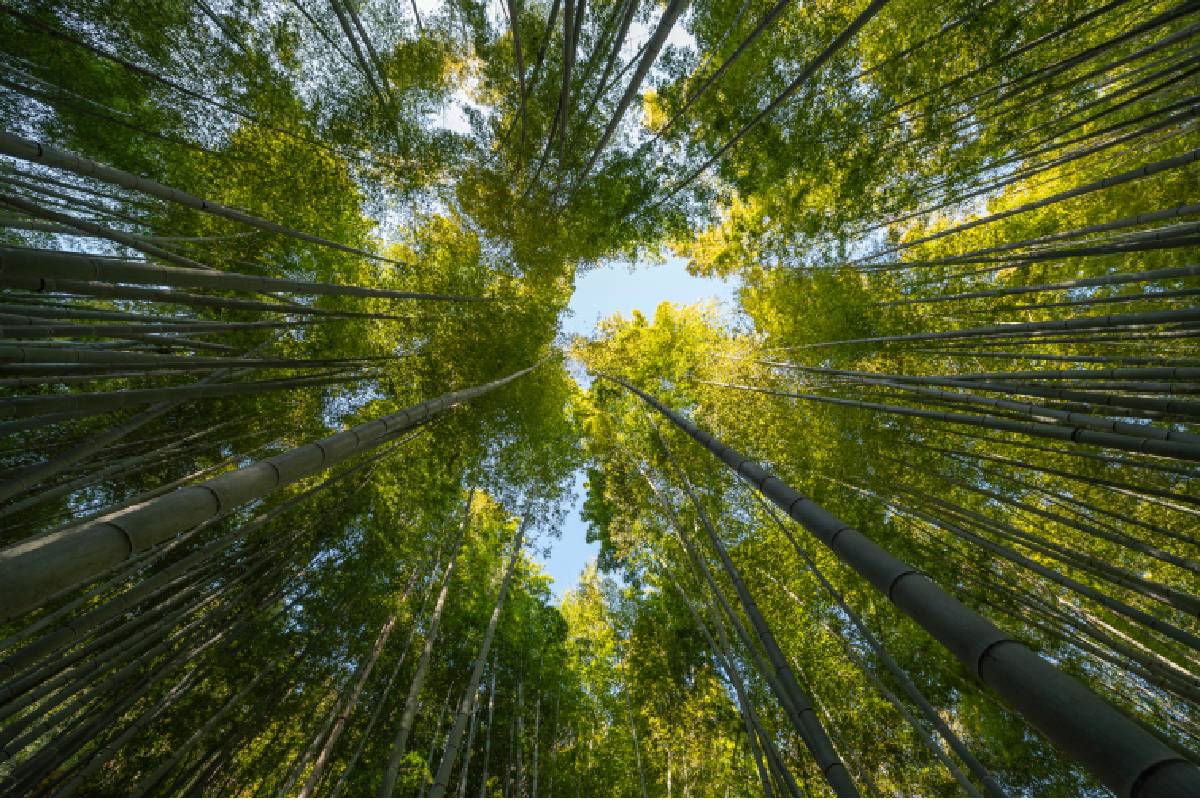
Biodiversity is one of the fundamental pillars that sustain life on Earth, even though we are often not fully aware of it. From large marine ecosystems to the tiny organisms that live in the soil, they are all part of a complex network in which each element plays an essential role.
In recent years, this concept has become especially relevant due to the changes our planet is undergoing. Understanding what biodiversity is and why it is so important not only helps us value the nature around us, but also helps us understand the impact our actions have on it.
The meaning of biodiversity in nature
Millions of different forms of life coexist on our planet, although many of them go unnoticed in everyday life. From the large animals that live in the oceans to plants, insects and microorganisms, they are all part of the same natural system in which each element has its own function.
This wealth of living beings and the relationships created between them is what we call biodiversity. It is not just a question of quantity, but also of balance: each species influences its environment and helps ecosystems function properly. When this balance is maintained, nature can adapt and sustain life as we know it.
Types of biodiversity on the planet
To better understand how life on Earth is organised, it is useful to distinguish between the different types of biodiversity. Each of them helps us understand everything from the variations within a single species to the diversity of ecosystems that exist on the planet.
Genetic diversity
Within the same species there are small differences between individuals, even though they may look the same at first glance. These variations influence aspects such as their appearance, their behaviour or their ability to adapt to the environment. Thanks to this, some species have a better chance of withstanding changes or overcoming certain threats. In this sense, this diversity acts as a fundamental basis for adaptation and the continuity of life.
Species diversity
This covers the wide variety of species that live in an ecosystem or across the whole planet. Each of them plays a role within its environment, contributing to the natural balance. When there is greater species diversity, ecosystems tend to be more stable and resilient to change. That is why maintaining this variety is essential for nature to function properly.
Ecosystem diversity
This refers to the variety of places where life develops, such as seas, forests or desert areas. Each of these environments offers different conditions, allowing different species to live in them. This diversity of habitats makes nature richer and more balanced. It also makes it easier for living beings to adapt better to changes in their environment.
Why biodiversity is key to the natural balance
Biodiversity is essential because it allows ecosystems to function in a balanced way. Thanks to the variety of species, essential natural processes take place, such as pollination, oxygen production and climate regulation, which make life on the planet possible.
In addition, a more diverse environment is more resilient to change and can recover better from possible disturbances. This benefits not only nature but also people, since we depend directly on these ecosystems for basic resources such as water, food and raw materials.
Loss of biodiversity: causes and consequences
In recent years, the loss of biodiversity has intensified due to various factors that are altering ecosystems. These causes not only affect nature, but also have direct consequences on the balance of the planet.
Destruction of natural habitats
One of the factors that most affects biodiversity is the loss of the spaces where species live. Deforestation, urban expansion and intensive land use leave many animals and plants without their natural habitat. This causes ecosystems to become unbalanced and many species to struggle to survive or disappear altogether.
Pollution and climate change
Another major problem affecting biodiversity is pollution, together with the effects of climate change. Waste in water, air and soil damages habitats and puts the health of many species at risk. Added to this are phenomena such as rising temperatures and changing weather patterns, which alter ecosystems and make it harder for living beings to adapt.
Overexploitation of species and natural resources
The excessive use of natural resources is another factor accelerating the loss of biodiversity. Activities such as intensive fishing, poaching or the uncontrolled exploitation of certain resources prevent many species from recovering in time. As a result, their populations decline and ecosystems lose part of their natural balance.
How to conserve biodiversity and protect the environment
Protecting biodiversity is a task that requires everyone’s involvement, from small everyday actions to large-scale measures. Every gesture counts when it comes to caring for the environment and preserving the natural balance. Knowing what we can do, both individually and collectively, is key to halting its decline and ensuring its long-term conservation.
Individual actions to protect the environment
In everyday life, there are small gestures that can make a big difference in protecting the environment. Reducing plastic consumption, recycling properly and saving water and energy are simple actions that help reduce our environmental impact.
It is also important to choose responsible consumption, opting for sustainable products and avoiding waste, as well as respecting natural environments when we visit them. In this way, each person can contribute to the conservation of biodiversity and the care of the planet.
The role of the Fundación Mundomar in biodiversity conservation
In this regard, the Fundación Mundomar plays an important role in protecting the environment, especially in everything related to marine biology. Its main objective is to promote the care, conservation and preservation of nature through initiatives that combine research, education and awareness-raising, bringing these values to society and to new generations alike.
Throughout its history, the foundation has developed its own research projects and has collaborated with universities and specialised centres to advance knowledge and protection of the marine environment. It also promotes educational programmes and awareness-raising campaigns.
Marine biodiversity: an ecosystem we must protect
The oceans are home to a large part of the planet’s biodiversity and play a fundamental role in the natural balance. However, they are also one of the environments most affected by human activity, which makes it even more necessary to become aware of their importance and protect them.
Caring for marine biodiversity not only means preserving species, but also securing the future of ecosystems and of people themselves. Initiatives such as those promoted by the Fundación Mundomar show that it is possible to move towards a more sustainable model in which respect for nature is a priority. Every action counts, and protecting biodiversity today means ensuring the balance of the planet tomorrow.
The comments are closed.