

What are microplastics and how do they affect marine animals?

 Published in
 News
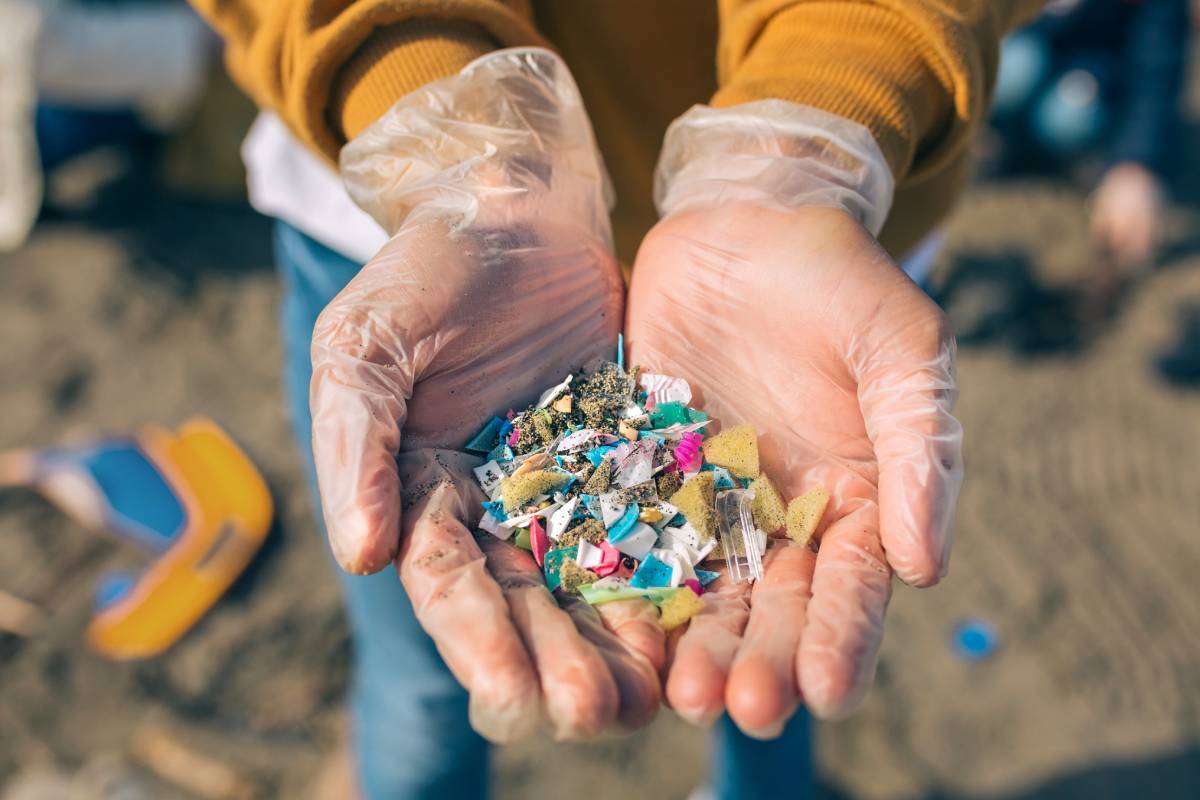
Every day, tiny particles of plastic end up in seas and oceans, many of them so small that they are practically invisible. These are microplastics, one of the most worrying pollution problems because of their presence in the water and their possible effects on marine life.
Even though we can barely see them, this waste can reach many organisms, from small fish to large marine mammals. Understanding where they come from, the consequences they cause and how we can reduce them is essential to caring for the oceans and the species that live in them.
What are microplastics?
Microplastics are small particles of plastic measuring less than 5 millimetres. They can take different forms, such as fibres, fragments or small spheres, and are found both in the water and in beach sand and marine sediments.
Their size makes them difficult to detect and remove from the natural environment. In addition, many plastic materials can remain in the environment for long periods, gradually breaking down into ever smaller particles.
Types of microplastics: primary and secondary
Depending on their origin, we can distinguish two main types:
- Primary microplastics: these are manufactured directly in small sizes, such as the tiny particles used as raw material in the plastics industry.
- Secondary microplastics: these appear when larger objects, such as bottles, bags or packaging, wear down and break apart due to the action of the sun, water or the movement of the waves.
The latter can come from waste that remains in the natural environment for years and gradually turns into fragments that are increasingly difficult to collect.
How do microplastics reach the sea?
Microplastic pollution originates from many everyday activities. Not all of it comes from waste left on beaches: a significant part comes from land, carried by the wind, rain, sewers or rivers. This problem is one of the different causes of marine pollution, which affect water quality and the species that live in seas and oceans.
Plastic waste and its degradation
Plastic waste that reaches the natural environment can remain exposed to the sun, water and temperature changes for years. Over time, these factors wear down the materials and cause them to break down into ever smaller particles.
Even when the original object is no longer recognisable, the fragments can remain in the ocean and spread through marine currents, making them difficult to locate and remove.
Wastewater and other sources of pollution
Some microplastics also come from washing synthetic clothing, which releases tiny fibres, or from the wear of tyres and other everyday materials.
These particles can enter wastewater and, although treatment systems retain some of them, some manage to reach rivers and seas. That is why marine pollution does not depend solely on the waste generated near the coast.
How do microplastics affect marine animals?
The presence of microplastics in the sea poses a risk to many species. Because of their small size, these particles can mix with food or remain suspended in the water, making it easier for animals to come into contact with them. Their effects vary depending on the type of organism, the characteristics of the particles and the level of exposure.
Ingestion of microplastics by marine animals
Fish, molluscs, crustaceans and other organisms can accidentally swallow microplastics while feeding. Some particles are mistaken for small prey, while others enter the body along with water or food.
This problem also affects larger species, such as seabirds, turtles and marine mammals, which may be exposed to this waste directly or through their prey.
The effects of microplastics on their health
The consequences of microplastics depend on factors such as particle size, the amount ingested and the species affected. Some studies have observed changes in feeding, inflammation and other effects on how the body functions.
In addition, certain plastics contain chemical substances that can be released under certain conditions. Although many of their long-term effects are still being researched, their presence in marine animals is a cause for scientific concern.
Microplastics in the marine food chain
Pollution can spread between different levels of the food chain. When small organisms ingest microplastics and are then eaten by other animals, some of these particles can pass from one species to another.
This process shows that the problem does not only affect animals that come into direct contact with waste, but can reach different members of the marine food web.
Consequences of microplastic pollution on marine ecosystems
Beyond their possible effects on individual animals, the continued presence of these particles poses a challenge for marine conservation. Their dispersion and persistence make them difficult to remove and make it necessary to study how they interact with organisms and habitats.
The build-up of microplastics in seas and oceans
Ocean currents can carry plastic particles over long distances, even to areas far from where they were generated. Some remain floating, while others sink and settle on the seabed.
This distribution means that microplastics can be found in many environments, from surface waters to deep sediments.
The impact on marine biodiversity
Exposure to microplastics can affect different species and biological processes. If certain organisms have problems feeding, growing or reproducing, changes could also occur in their relationships with other species.
These changes can affect the natural balance and highlight the importance of biodiversity for ecosystems. The variety of living beings and the relationships between them are part of how the marine environment works.
What can we do to reduce microplastics in the sea?
Stopping this type of pollution requires reducing the amount of plastic that ends up in the natural environment. Everyday habits, proper waste management and conservation initiatives can help prevent new materials from reaching the water and breaking down into fragments.
Reduce the use of single-use plastics
Choosing reusable bottles, avoiding unnecessary packaging and giving materials a second life are some simple ways to generate less waste. It is also a good idea to use products for longer and recycle them properly when they can no longer be used.
Prevent waste from reaching rivers and seas
Keeping beaches clean, picking up our litter and not leaving objects in natural spaces helps prevent pollution. It is also important to dispose of waste properly and prevent it from reaching drains or watercourses, from where it can end up in the sea.
Clean-up days make it possible to remove these materials before they break down and become even harder to remove.
Environmental education as a tool to protect the marine environment
Understanding the consequences of our habits on the oceans is a fundamental part of protecting them. At the Fundación Mundomar we carry out conservation, research and environmental education projects to promote respect for nature, with special attention to the marine environment.
Our commitment is also reflected in direct waste collection actions. In August 2025, we took part in a clean-up day at l’Olla beach in Altea, where, together with other organisations and volunteers, we removed nearly 100 kilos of rubbish from the coast and the water.
In addition to these actions, we run educational workshops and awareness-raising activities on marine pollution and caring for ecosystems. Through our nature conservation projects, we aim to bring knowledge of the natural environment closer to people and promote more environmentally friendly habits.
Protecting the sea starts long before waste reaches the water. Reducing plastic consumption, managing waste properly and taking part in conservation initiatives are actions through which we can all help care for marine life.
The comments are closed.